
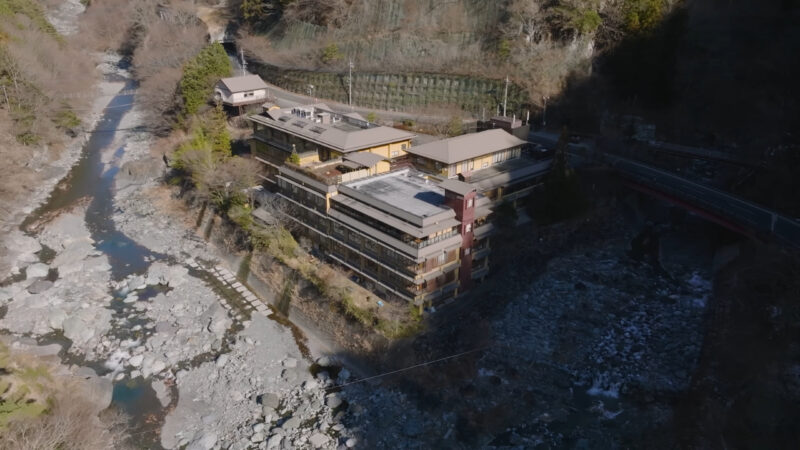
In the mountains of Japan’s Yamanashi Prefecture, a small hot spring hotel has been welcoming travelers since 705 AD. That was during Japan’s Asuka period, more than three centuries before the founding of the Holy Roman Empire and long before most of Europe’s famous medieval castles existed.
Nishiyama Onsen Keiunkan has survived for over 1,300 years, earning recognition from Guinness World Records as the oldest hotel in the world.
It’s an astonishing achievement for a business operating in a remote mountain valley, far from the major cities and commercial centers that usually sustain historic institutions.
What interests me most is how little the original attraction has changed. Visitors have been coming to this particular stretch of the Japanese Alps for centuries to bathe in naturally heated water, eat a good meal, and spend a peaceful night surrounded by mountains.
For travelers accustomed to hotels competing over rooftop pools, cocktail bars, and increasingly extravagant amenities, Keiunkan offers an appealingly different experience.
Thirteen Centuries of Japanese Hospitality
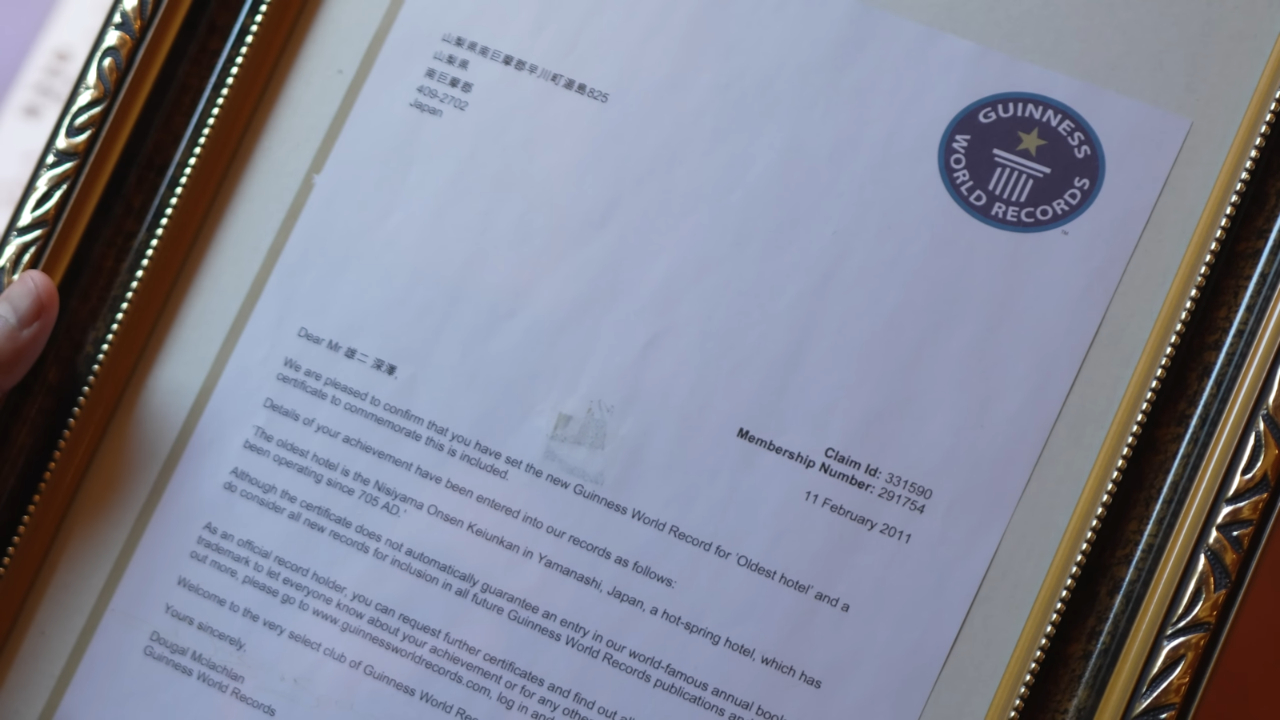
According to the hotel’s history, Fujiwara no Mahito discovered the thermal springs in 705 AD and established an inn beside them. The name Keiunkan comes from the Keiun era, which lasted from 704 to 708.
The springs gradually attracted travelers, Buddhist monks, aristocrats, and military commanders. Among the celebrated historical figures associated with the property are Takeda Shingen, a powerful 16th-century warlord, and Tokugawa Ieyasu, who established the Tokugawa shogunate.
The inn remained under the stewardship of the founding family for 52 generations before changes to its corporate management in the 21st century.
Think about what maintaining a hospitality business across that many generations would involve.
Japan experienced devastating civil wars, changes in political rule, earthquakes, enormous technological advances, and the transformation from a feudal society into one of the world’s most industrialized countries.
Throughout those changes, the mountain springs continued attracting guests.
The property evolved considerably along the way. A major reconstruction in 1997 introduced the modern ryokan building, and further renovations completed in March 2026 refreshed the lobby, bathing facilities, and other guest areas.
Japan has another important example of historic preservation: Shuri Castle in Okinawa, whose main hall reopens on November 23, 2026, seven years after a devastating fire.
I’m glad the owners have continued investing in the place. Some historic hotels seem to regard their past as permission to charge extraordinary prices for mediocre accommodation.
Keiunkan’s longevity deserves respect, but guests spending substantial money on an overnight stay are entitled to excellent facilities today.
The Long Journey Into the Mountains
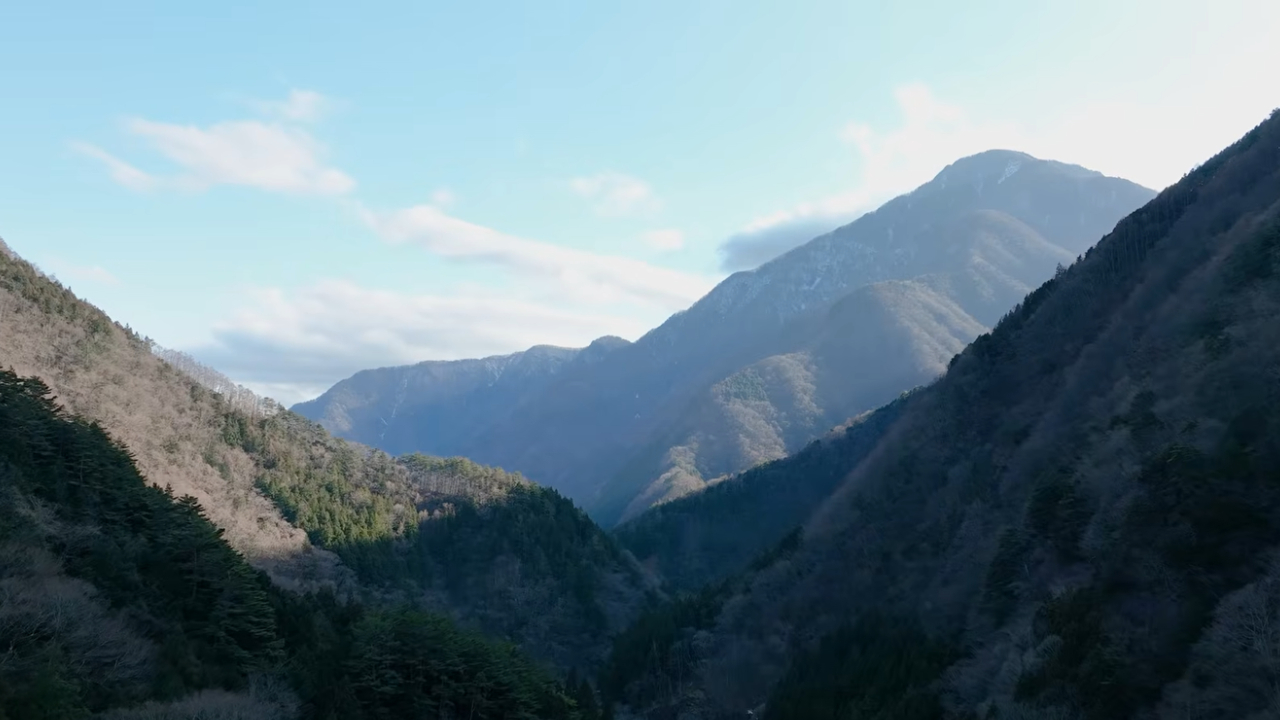
Reaching Keiunkan requires some planning. The hotel stands in Hayakawa, a mountain town southwest of Tokyo, in a narrow valley surrounded by the Southern Japanese Alps.
Travelers arriving by train generally head to Minobu Station before continuing into the mountains. The hotel operates a shuttle service, while drivers follow winding roads through increasingly secluded countryside.
The landscape becomes particularly impressive as the route enters the Hayakawa River valley. Forested slopes rise above the road, with steep mountains and narrow river gorges dominating the scenery.
I have a particular affection for destinations where the journey reveals something about how people have adapted to difficult geography. When writing about Whittier’s unusual road tunnel in Alaska, I was struck by the enormous effort required to maintain access to a small, isolated community.
Keiunkan offers another example of people developing a lasting relationship with an unforgiving landscape.
Its location also explains why the inn became a destination for people seeking solitude. Even today, reaching this valley takes enough effort to discourage casual sightseeing.
Personally, I think that’s an advantage. I’d happily trade an afternoon of crowded attractions for a quiet evening in this setting.
The Hot Springs That Keep Keiunkan Alive
The hotel’s greatest attraction is its collection of natural hot spring baths, known in Japan as onsen.
Keiunkan draws geothermal water from several sources beneath the surrounding mountains. In 2005, drilling near the property discovered an additional source producing water at approximately 52°C (126°F).
According to the hotel’s official hot spring information, its combined sources produce more than 2,000 liters of water per minute.
That extraordinary supply allows the property to use naturally heated mineral water throughout its facilities, including the showers and guest-room baths.
The outdoor bathing areas are particularly appealing.
Some overlook the forested slopes and river gorge, allowing guests to enjoy the surrounding scenery while sitting in steaming water. Other baths offer elevated mountain views, and there are private bathing facilities available for guests who prefer greater privacy.
The 2026 renovation added a cave-style bathing area, expanded sauna facilities, and a cold-water bath.
I’ve always considered the Japanese approach to communal bathing one of the country’s most worthwhile traditions. There’s a refreshing seriousness to the experience. The emphasis on cleanliness, quiet behavior, and respect for other bathers creates an atmosphere that many supposedly luxurious spas struggle to achieve.
At Keiunkan, I would make time for an evening soak and another early in the morning. The mountain air and changing light should give each visit a different character.
One detail worth knowing: Traditional shared onsen facilities generally require guests to bathe without swimwear, with separate areas or bathing hours for men and women. Visitors should familiarize themselves with Japanese bathing etiquette before arriving.
What an Overnight Stay Looks Like
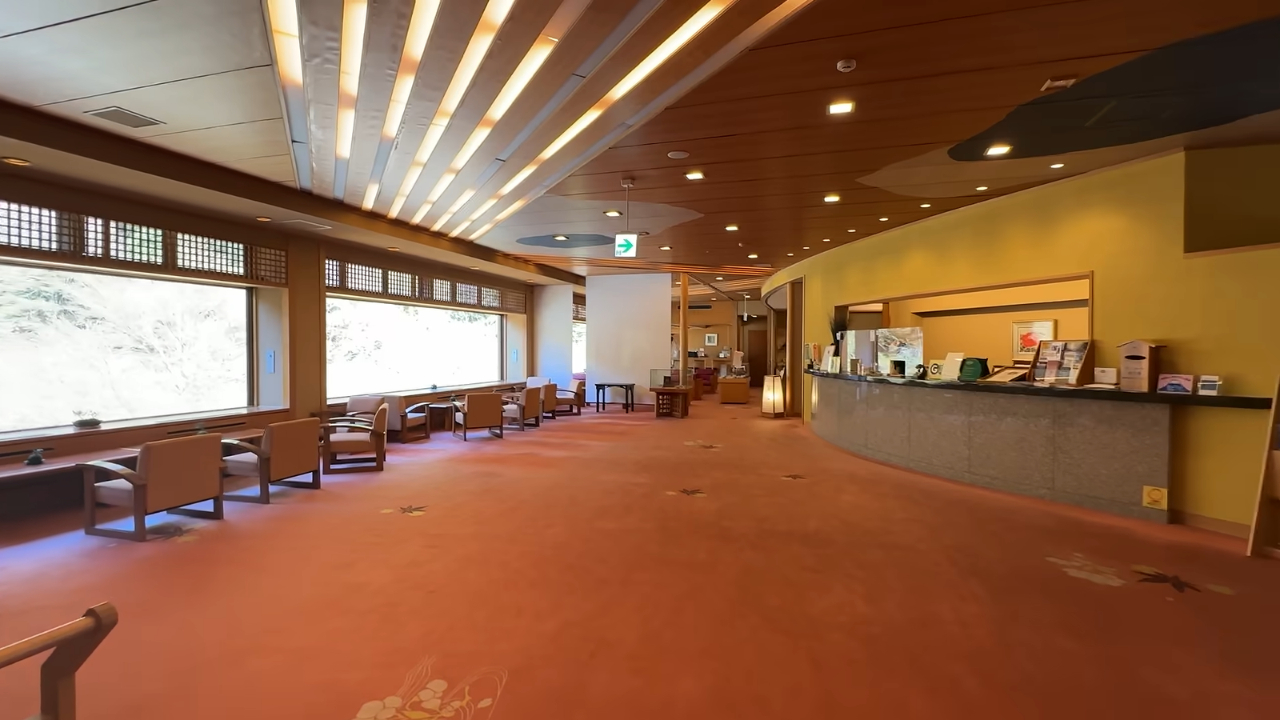
Keiunkan operates as a traditional Japanese ryokan, where accommodation, dining, and bathing are closely connected.
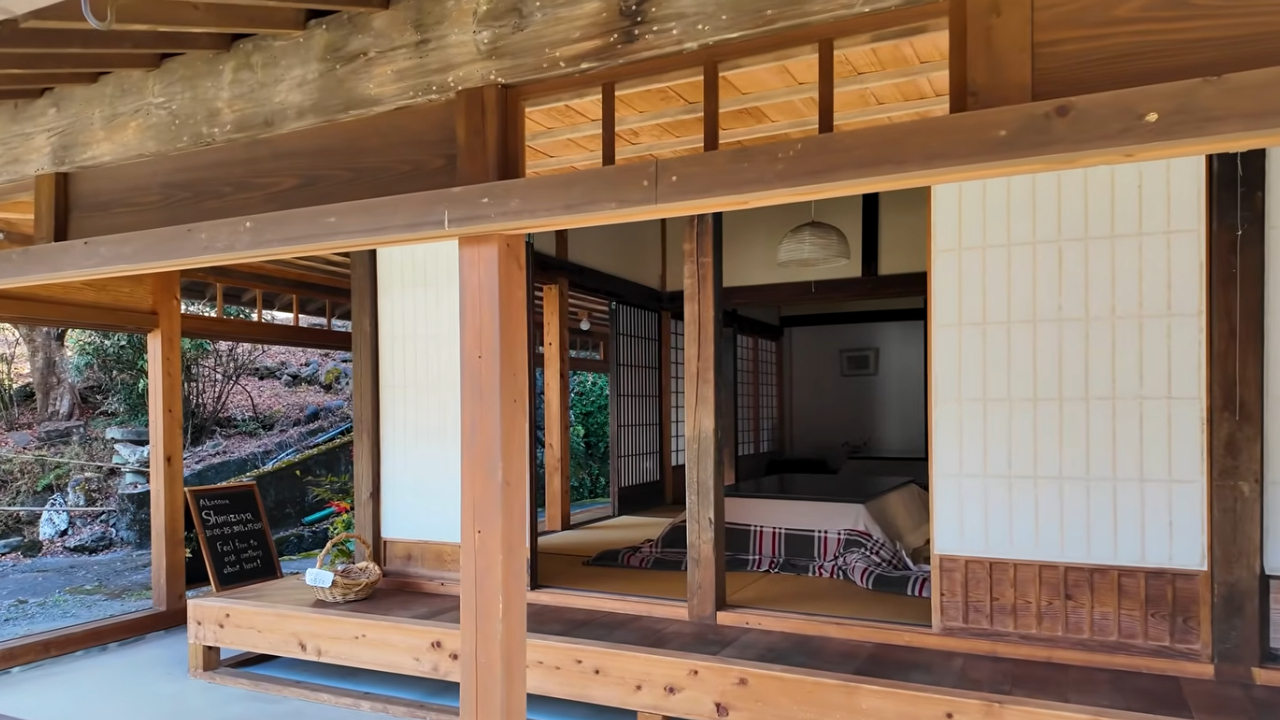
Many guest rooms feature tatami flooring, low tables, traditional furnishings, and views of the surrounding valley. Higher-category suites offer private open-air baths, including some constructed from Japanese cypress.
Traditional rooms may use futon bedding arranged on the tatami, although the available layouts and amenities vary.
The accommodations combine Japanese design with modern conveniences such as climate control and private bathrooms.
I have little patience for hotels that confuse excessive decoration with luxury. A room surrounded by mountains doesn’t need extravagant furniture or elaborate design tricks to justify its existence. Comfortable bedding, quality materials, and an unobstructed view are far more valuable.
Keiunkan’s traditional interiors seem particularly appropriate for the setting, allowing the landscape to remain an important part of the experience.
There’s also the pleasure of spending an evening without feeling obliged to go anywhere. After dinner, guests can return to the baths, enjoy the quiet surroundings, or settle into their rooms.
I suspect many travelers would benefit from more nights like that.
A Traditional Kaiseki Dinner in the Mountains
View this post on Instagram
Dinner is a major part of staying at Keiunkan. The hotel serves kaiseki, a traditional Japanese multi-course dining experience emphasizing seasonal ingredients, careful preparation, and presentation.
Its mountain-inspired menu draws on the regional landscape, featuring ingredients such as freshwater fish, seasonal vegetables, and locally raised Koshu beef.
Dishes arrive individually, often served in carefully selected ceramic bowls and plates. The sequence allows diners to appreciate the flavors, textures, and appearance of each course.
Keiunkan’s kitchen also places considerable importance on traditional preparation techniques, including handmade components and the use of different salts to complement particular dishes.
This is exactly the kind of dining experience I’d prioritize when choosing a Japanese ryokan.
I find the international luxury-hotel industry’s obsession with predictable menus increasingly tiresome. You can travel thousands of miles and still encounter remarkably similar steaks, pasta dishes, and breakfast buffets.
At a place with Keiunkan’s history, eating food connected to the surrounding region adds considerably more to the evening.
And after a leisurely dinner, there’s something wonderfully convenient about having nowhere else you need to be.
The Morning Deserves Some Attention Too
One of the advantages of staying overnight at a mountain ryokan is experiencing the surroundings at different times of day.
Morning mist can linger around the forested slopes, while sunlight gradually reaches the valley floor. The Hayakawa River continues flowing below, providing a constant background sound.
Keiunkan’s baths are particularly inviting at this hour, when guests can enjoy the cool mountain air before returning indoors for a traditional Japanese breakfast.
I’d recommend allowing enough time for both.
Travel itineraries have become absurdly competitive. Too many people measure a successful trip by the number of attractions they can squeeze into a day, as though every spare hour represents a missed opportunity.
The appeal of somewhere like Keiunkan depends on giving the experience room to unfold.
An unhurried breakfast, a second bath, and a little time looking out over the mountains would be a perfectly respectable morning in my book.
Planning a Stay at Nishiyama Onsen Keiunkan
Keiunkan requires more preparation than an ordinary city hotel, particularly for international travelers. Here are the important details:
- Location: Nishiyama Onsen, Hayakawa, Yamanashi Prefecture, Japan.
- Getting there: The hotel offers a shuttle from Minobu Station, normally departing around 1:40 p.m. Advance reservations are necessary.
- Accommodation: Traditional Japanese rooms and suites, some with private hot spring baths.
- Meals: Check your selected package for dinner and breakfast inclusions.
- Day visits: The hotel currently does not accept ordinary day-use bathing guests.
- Road conditions: Heavy rain and snowfall can interrupt access to the valley, making advance weather checks essential.
The hotel’s official transportation guide provides additional directions and information about reaching the property.
I would recommend booking a room with a private hot spring bath if your budget permits, particularly for couples who want to enjoy the water together.
However, travelers comfortable with traditional communal bathing can still experience the hotel’s remarkable natural springs without paying for its most expensive accommodation.
Is the World’s Oldest Hotel Worth Visiting?
@visitjapaneseonsen Nishiyama Onsen Keiunkan was such a highlight! Founded in 705 AD, it’s the oldest hotel in the world. Still run by the same family for over 1,300 years, with natural hot springs flowing straight from the mountains. The onsen uses six separate natural hot spring sources, producing thousands of liters of mineral-rich water per minute. Guests sleep on tatami floors with futon bedding. Dinner is traditional kaiseki, a multi-course seasonal meal that changes constantly. Staff service is very personal, often anticipating needs without being intrusive. The architecture you see today isn’t the original 8th-century building (that would be impossible), but it has been rebuilt and renovated many times, especially after fires and natural wear. Still, the layout and design philosophy stayed consistent: wood, paper screens, low lighting, minimalism. Would you stay here when visiting Japan? #japan #japaneseonsen ♬ Beautiful Home – Morunas
Keiunkan is an expensive and relatively inconvenient choice compared with the many excellent ryokans scattered throughout Japan.
Travelers with limited time, particularly those visiting Japan for the first time, should consider whether the journey fits comfortably into their plans. Kyoto, Hakone, and other established destinations offer outstanding traditional accommodation with fewer logistical complications.
Still, Keiunkan has a remarkable advantage: an uninterrupted hospitality tradition stretching back to the early eighth century.
Very few places allow travelers to participate in an activity that has remained central to the same location for so long.
What makes the hotel especially compelling to me is the persistence of the original idea. Generations of owners maintained the springs, rebuilt the accommodation, welcomed changing clientele, and adjusted to the expectations of different eras.
The business survived because people continued finding value in spending time there. And I think that’s a considerably greater achievement than simply appearing in a record book.
For anyone who enjoys Japanese history, traditional hospitality, and secluded mountain landscapes, Nishiyama Onsen Keiunkan deserves serious consideration.
Thirteen centuries of guests have already made a pretty convincing case for the place.