
Articles for author: Caroline Cowan

November 18, 2026

Caroline Cowan

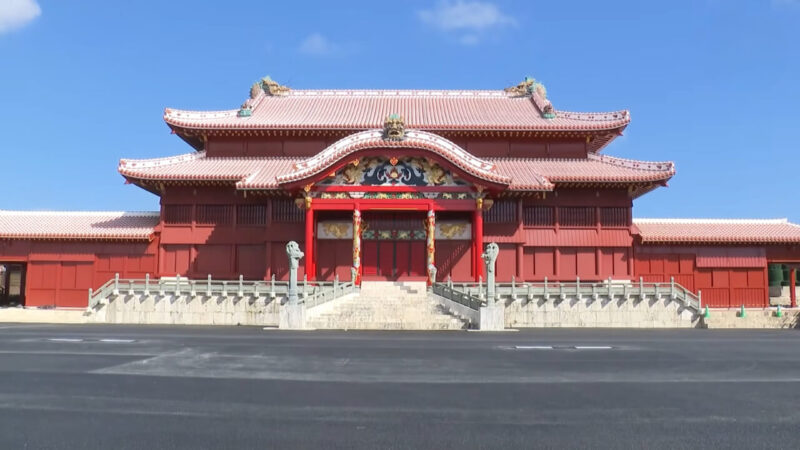
Front view of Shuri Castle's red main hall, ornate entrance, and stone staircase beneath a clear blue sky in Okinawa.

Japan Is Reopening Shuri Castle on November 23 After the Fire That Destroyed Its Main Hall Seven Years Ago

On October 31, 2019, a devastating fire swept through Shuri Castle in Okinawa, Japan, destroying its magnificent red main hall and eight other buildings. By sunrise, one of the island’s most important cultural landmarks had been reduced to smoldering ruins. Seven years later, the castle is preparing for an extraordinary comeback. On November 23, 2026, the reconstructed main hall of Shuri Castle will officially reopen to visitors, following a completion ceremony the previous day. According to the official Shuri Castle Park announcement, the public will be able to enter the restored building from noon. For Okinawa, this reopening carries enormous


November 13, 2026

Caroline Cowan

Water cascades over stone sculptures into the turquoise pool of the Trevi Fountain in Rome.

What Happens to Coins Thrown Into the Trevi Fountain in Rome? Who Gets the Money?

Every day, tourists gather around Rome’s Trevi Fountain, turn their backs to its enormous marble sculptures, and toss coins into the water. Some hope to return to Italy. Others wish for love, marriage, or whatever else they believe a little spare change might bring them. By the end of the year, those wishes add up to an extraordinary amount of money. In 2025 alone, approximately €1.86 million was collected from the Trevi Fountain. That’s a remarkable sum for a tradition built around throwing away pocket change. And every euro has somewhere to go. The coins belong to the City of

November 10, 2026

Caroline Cowan

A rusted shipwreck rests in shallow turquoise water beside a rocky shoreline.

Why Are There So Many Shipwrecks Around Cape Hatteras? The Story of the Graveyard of the Atlantic

Somewhere beneath the waters off Cape Hatteras, North Carolina, lie the remains of sailing ships, merchant vessels, military warships, and German submarines. Some have been underwater for centuries. Others disappeared within living memory. This stretch of the American coastline has earned a particularly grim nickname: the Graveyard of the Atlantic. The U.S. Geological Survey estimates that more than 1,000 ships have been lost off Cape Hatteras since 1600. Estimates covering the wider Outer Banks run into the thousands. Those numbers are staggering, especially considering how many generations of sailors knew about the dangers and continued navigating these waters. I’ve always

October 15, 2026

Caroline Cowan

A South Korean man holds a board that shows his age as 79 internationally and 80 under the Korean age system.

South Korea Made Everyone a Year or Two Younger Overnight

On June 28, 2023, millions of South Koreans became one or two years younger. Nobody discovered a miracle anti-aging treatment, of course. The government simply changed the way the country officially calculated people’s ages. Under South Korea’s traditional system, babies were considered one year old at birth, and everyone gained another year on January 1, regardless of when their actual birthday fell. The new law replaced that approach with the international standard, where people start at zero and grow a year older on their birthdays. It sounds like a fairly straightforward administrative change. But South Korea’s relationship with age is

October 12, 2026

Caroline Cowan

A Dying Logging Town in Washington Saved Itself by Pretending to Be Bavaria

Leavenworth, Washington, has Bavarian-style buildings, German restaurants, flower-covered balconies, and enough Christmas decorations to make you forget you’re in the United States. Its downtown looks remarkably similar to an Alpine village in southern Germany. Except Leavenworth has no meaningful historical connection to Bavaria. It wasn’t founded by German immigrants. Its buildings don’t represent centuries of local Bavarian craftsmanship, and its German traditions weren’t inherited from generations of residents. The town deliberately invented its Bavarian identity in the 1960s because its economy was falling apart. I’ve always found that more interesting than the attractive buildings themselves. Leavenworth is an extraordinary example