
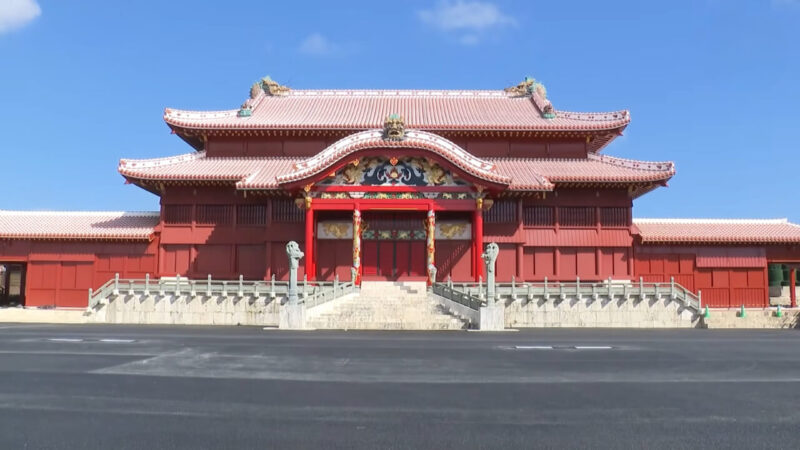
On October 31, 2019, a devastating fire swept through Shuri Castle in Okinawa, Japan, destroying its magnificent red main hall and eight other buildings. By sunrise, one of the island’s most important cultural landmarks had been reduced to smoldering ruins.
Seven years later, the castle is preparing for an extraordinary comeback.
On November 23, 2026, the reconstructed main hall of Shuri Castle will officially reopen to visitors, following a completion ceremony the previous day. According to the official Shuri Castle Park announcement, the public will be able to enter the restored building from noon.
For Okinawa, this reopening carries enormous emotional weight. Shuri Castle was once the political and ceremonial heart of the independent Ryukyu Kingdom, and its distinctive architecture remains one of the strongest expressions of the island’s cultural identity.
I find the determination behind this reconstruction deeply impressive. Rebuilding a historic palace requires extraordinary patience, money, research, and craftsmanship. Doing it again after a previous reconstruction was destroyed demands an even greater commitment.
And I think Shuri Castle deserves far more international attention than it usually receives.
Why Shuri Castle Matters So Much to Okinawa
To understand the significance of this reopening, you need to understand Okinawa’s history.
From 1429 until 1879, the Ryukyu Kingdom ruled the islands, developing a sophisticated trading network connecting China, Japan, Korea, and Southeast Asia.
Shuri Castle, located on a hill overlooking present-day Naha, was the kingdom’s royal residence and administrative center.
Its architecture reflected those international connections.
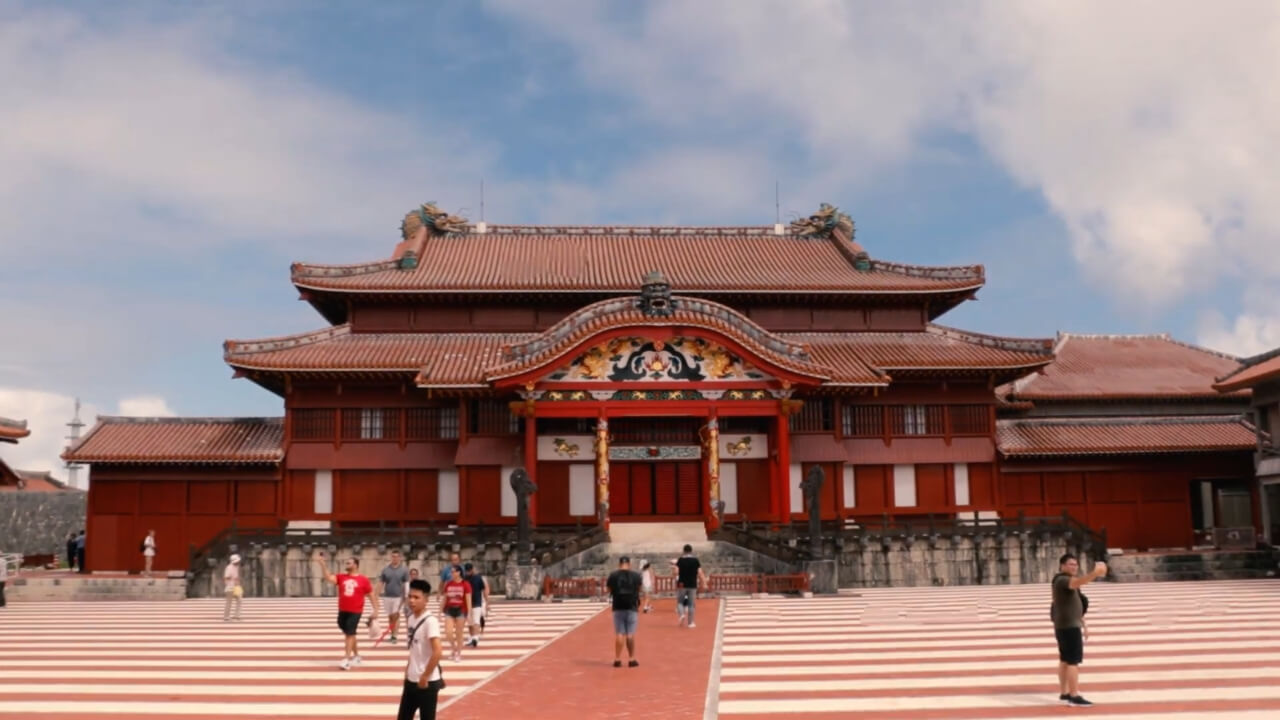
The castle featured sweeping limestone walls, elaborate wooden buildings, distinctive red roof tiles, and lavish decorations featuring dragons and other royal symbols.
The main hall, known as the Seiden, served as the centerpiece of royal ceremonies and government affairs.
The kingdom’s political independence ended when Japan formally incorporated the Ryukyu Islands as Okinawa Prefecture in 1879.
Today, Shuri Castle remains central to understanding the centuries of Ryukyuan history that preceded that incorporation.
The site’s historical importance received international recognition in 2000, when its archaeological remains became part of the UNESCO World Heritage listing covering nine Ryukyuan cultural properties.
I think treating Okinawa as a destination defined primarily by beaches does the islands a tremendous disservice.
The history here is fascinating, complicated, and deeply relevant to the cultural identity Okinawans continue to preserve.
Shuri Castle should be near the top of any serious cultural itinerary.
The 2019 Fire Was Another Chapter in a Painful History
The fire began in the early hours of October 31, 2019. Flames rapidly spread through the castle’s wooden buildings, overwhelming the main hall and several surrounding structures.
Firefighters battled the blaze for approximately 11 hours. By the time it was extinguished, nine buildings had been destroyed.
For people across Okinawa, the images were heartbreaking. The tragedy was particularly painful because Shuri Castle had already experienced catastrophic destruction during the Second World War.
In 1945, the Battle of Okinawa devastated the island, killing enormous numbers of civilians and destroying much of its cultural heritage. Shuri Castle was among the landmarks lost during the fighting.
Its main buildings were eventually reconstructed, and the restored Seiden opened in 1992.
That rebuilding effort had given Okinawans a powerful symbol of cultural recovery.
Then came the 2019 fire.
Consider the sequence:
- 1945: Shuri Castle is destroyed during the Battle of Okinawa.
- 1992: The reconstructed main hall opens.
- October 31, 2019: Fire destroys the main hall and eight other buildings.
- November 2022: Major reconstruction work begins.
- November 23, 2026: The restored main hall opens to the public again.
Few landmarks have endured such an extraordinary cycle of destruction and rebuilding within living memory.
Rebuilding Shuri Castle Has Taken Four Years and Billions of Yen
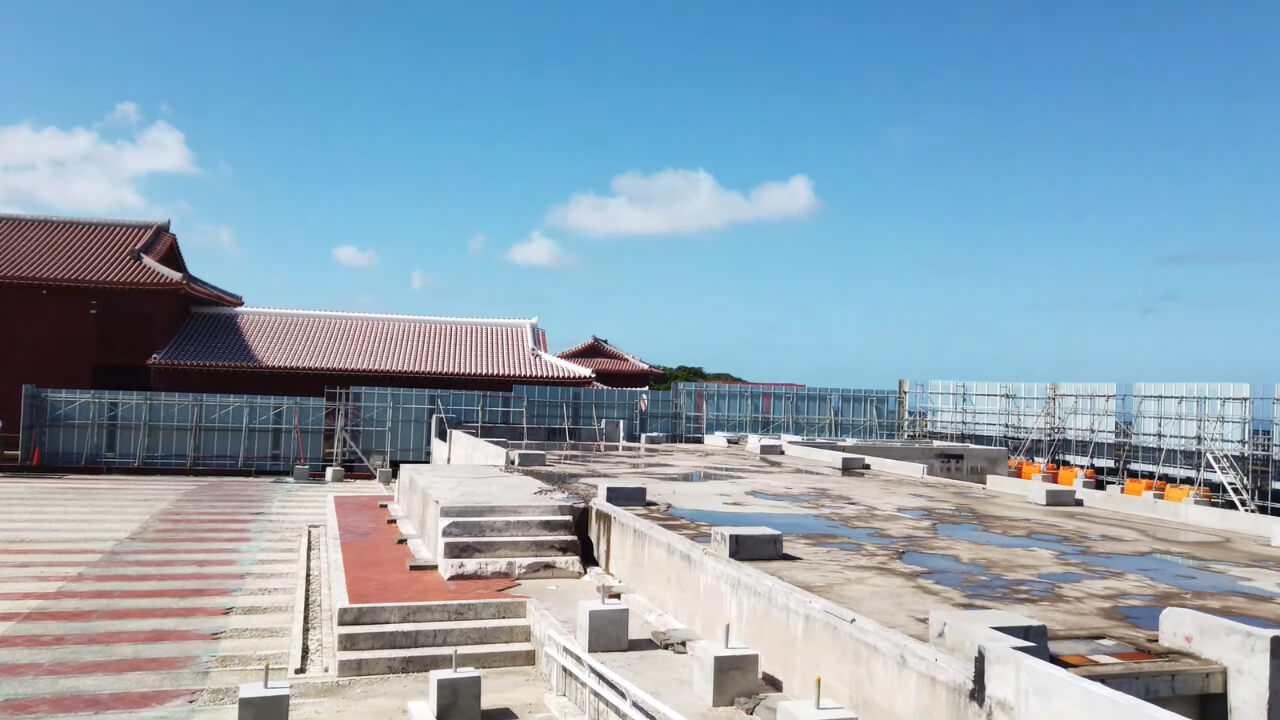
Reconstruction of the main hall began in November 2022.
According to Jiji Press reporting, the restoration project’s estimated cost reached approximately ¥12 billion.
The work involved reconstructing the elaborate wooden architecture, recreating decorative features, producing traditional roof tiles, and restoring the building’s characteristic red lacquered appearance.
Preserving traditional craftsmanship became an important part of the project.
Okinawan materials and techniques were incorporated wherever practical, with the official restoration program emphasizing local wood and traditional red roof tiles.
Fragments of tiles recovered after the fire have also been incorporated into materials used for the new roof.
I particularly appreciate that detail. Those surviving fragments connect the reconstructed building to the structure Okinawans lost seven years ago.
What Will Visitors See Inside?
The newly restored Seiden is a three-story wooden building featuring elaborate royal interiors.
The first floor historically accommodated political activities and ceremonies. The second floor hosted important rituals and banquets involving the royal household.
Both levels feature ceremonial thrones surrounded by richly decorated columns.
Interestingly, the reconstruction has also incorporated discoveries made since the 1992 restoration.
During a media preview on November 16, journalists saw a second-floor royal plaque whose background had been changed from vermilion to yellow, reflecting updated historical research.
Fire safety has received substantial attention, too.
The restored structure includes sprinklers, flame detectors, improved fire doors, and more accessible firefighting equipment.
I consider those improvements absolutely essential. A heritage site that has suffered two catastrophic losses deserves protection capable of preventing a third.
The Reopening Means More Than Having a Beautiful Castle Again
View this post on Instagram
One of the most interesting questions surrounding reconstructed landmarks concerns authenticity.
Can a building recreated decades or centuries after its original construction still carry genuine historical significance?
I believe Shuri Castle provides a convincing answer.
Its value rests in documented history, traditional craftsmanship, surviving archaeological remains, and the community’s determination to keep that history accessible.
Japan has many places where continuity is maintained through generations of rebuilding and renovation. Kurionda recently explored that idea in its article about Nishiyama Onsen Keiunkan, a Japanese hotel with more than 1,300 years of history.
Architectural authenticity also raises fascinating questions elsewhere. Our story about China’s copy of an Austrian village examines how buildings and cultural identity become intertwined.
At Shuri Castle, that relationship is especially powerful because of the site’s importance to Okinawan historical memory.
The reconstruction has also depended on public involvement. In a June 2026 statement, Okinawa Governor Denny Tamaki thanked residents, craftspeople, donors, and supporters who helped bring the castle back.
The effort reflects an extraordinary level of public commitment.
And that commitment deserves recognition well beyond Japan.
Visiting Shuri Castle After November 23, 2026
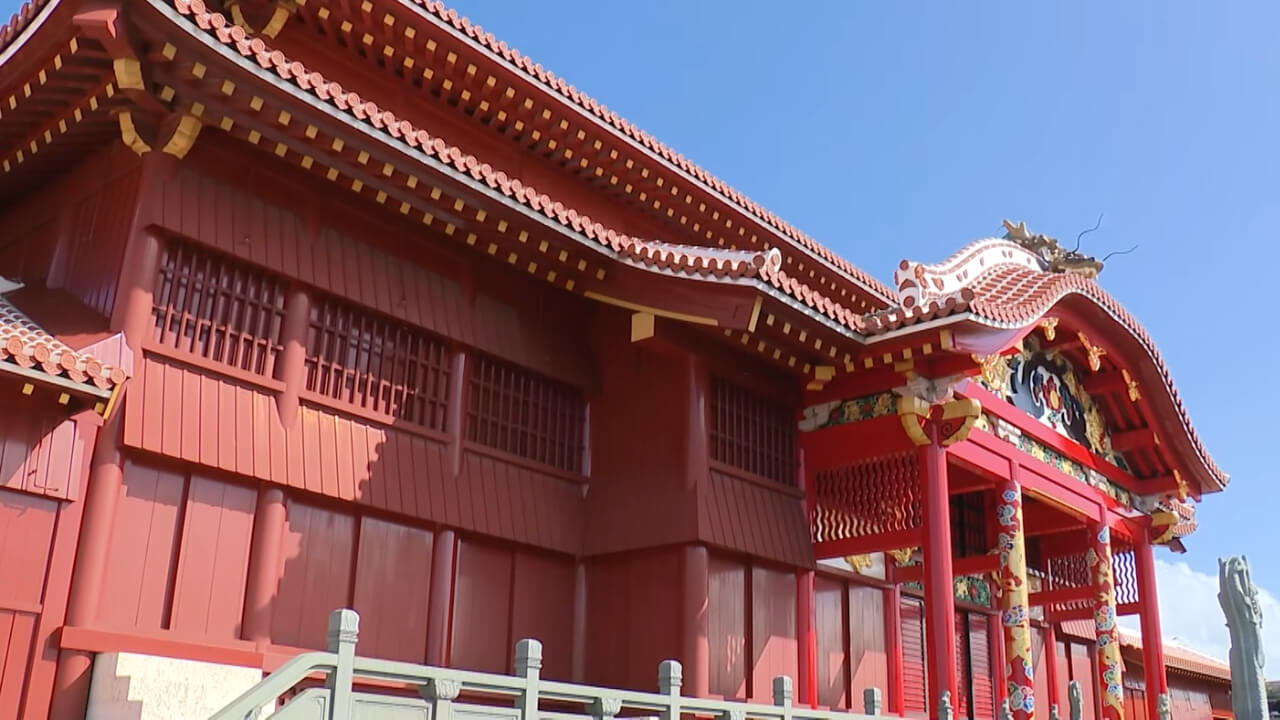
The reopening will give tourists an opportunity to explore the reconstructed main hall, although several practical details deserve attention.
What visitors should know:
- Opening date: Monday, November 23, 2026, with admission to the main hall beginning at noon.
- Reservations: Entering the Seiden requires a timed reservation. Visitors can book through the official English ticket guide.
- Admission: From November 23, standard admission costs ¥1,000 for adults, ¥760 for high school students, and ¥370 for elementary and junior high school students. Children under six enter free.
- Getting there: Shuri Castle is accessible from Shuri Station on the Okinawa Monorail, followed by approximately 15–20 minutes on foot.
- Temporary closure: The entire park will close on November 22 for the completion ceremony. Special opening arrangements apply on November 23.
Visitors can also purchase admission to the paid castle grounds without reserving the main hall interior.
Importantly, the wider castle reconstruction remains unfinished. Some surrounding buildings destroyed in 2019 will require additional restoration work.
I would strongly recommend allowing at least two hours for the visit, particularly if you’re interested in the historical exhibitions, surviving castle walls, and views across Naha.
The castle’s official opening-hours page provides the latest information about seasonal schedules and temporary restrictions.
Is November 23 the Best Day to Visit?
For anyone who wants to experience the excitement surrounding the reopening, November 23 has obvious appeal.
However, I would personally choose a quieter date.
The first days following such an important reopening are likely to attract considerable crowds. A visit later in the year could offer a more comfortable opportunity to appreciate the architecture and historical displays.
I would also make time for the surrounding Shuri district, where historic streets, traditional architecture, and other cultural sites help explain the castle’s wider significance.
Shuri Castle Deserves a Place on Your Japan Itinerary
Shuri Castle’s reopening on November 23 represents one of Japan’s most meaningful cultural restoration milestones of 2026.
Seven years after the flames, the castle’s extraordinary red main hall is ready to welcome visitors again.
There will undoubtedly be plenty of photographs celebrating its elaborate roof, golden dragons, and beautifully restored interiors.
I hope those photographs encourage people to explore the history behind the building.
Okinawa’s past deserves far greater recognition from international visitors, particularly the centuries when the Ryukyu Kingdom developed its own political institutions, diplomatic relationships, and cultural traditions.
The people who rebuilt Shuri Castle have given future generations another opportunity to encounter that history.
After everything this landmark has endured, I cannot think of a better reason to visit.